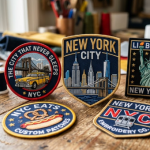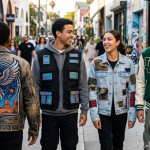
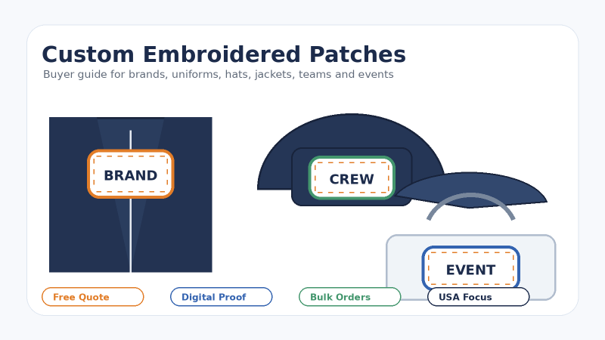
Custom embroidered patches are one of the easiest ways to turn a logo, name, badge, mascot, artwork, or message into something people can wear, collect, sell, or proudly display. They work for company uniforms, hats, jackets, backpacks, motorcycle vests, sports teams, schools, events, and fashion merchandise because they combine branding with a product people actually keep.
Unlike flat printing, embroidery uses thread stitched into a fabric base. That creates a raised texture, a premium feel, and a traditional patch look that still feels trusted in business, school, military-inspired, sports, and club settings. A clean embroidered patch can make a simple shirt look official, a hat look retail-ready, or a jacket look like part of a real team identity.
This guide explains how custom embroidered patches work, when to choose them, which backing is best, how to select size and placement, what affects cost, and how to prepare artwork before ordering. If you already know what you need, you can request a free quote for custom embroidered patches from The Eagle Patches and get help choosing the right size, border, backing, and finish.
Quick Answer: What Are Custom Embroidered Patches?
Custom embroidered patches are fabric patches made by stitching colored thread into a twill or fabric base to create a logo, name, badge, icon, or custom design. They can be sewn on, ironed on, attached with hook and loop, or made with adhesive backing depending on how they will be used.
They are best for buyers who want a durable, textured, professional-looking patch for uniforms, hats, jackets, bags, team apparel, promotional products, school gear, or brand merchandise. Embroidered patches are especially effective when the design is bold, readable, and built around clear shapes and strong contrast.
Get a Free Quote for Custom Embroidered Patches
Why Embroidered Patches Still Work So Well
Many branding products are used once and forgotten. Embroidered patches are different because they feel permanent, wearable, and collectible. A customer may throw away a flyer, but they often keep a good patch, attach it to a jacket, put it on a bag, or save it as part of a collection.
For businesses, patches create a professional uniform look without needing to print directly on every garment. For schools and teams, they create pride and recognition. For clubs and motorcycle groups, they help members show identity. For apparel brands, they add texture and retail value to otherwise simple hats, hoodies, jackets, and bags.
The Eagle Patches homepage positions the brand as a custom patch maker USA for businesses, sports teams, military units, schools, motorcycle clubs, and organizations. That means this blog should not only define embroidery; it should also answer practical buyer questions that move readers toward a quote.
Best Uses for Custom Embroidered Patches
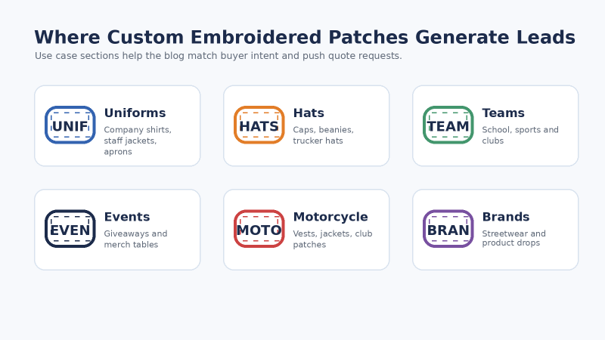
The best embroidered patch content should connect the product to real use cases. A buyer rarely searches only because they like embroidery. They search because they need patches for a uniform, hat, jacket, school club, event, staff team, brand launch, or motorcycle vest. These use cases should be clearly covered on the page.
Business uniform patches are ideal for restaurants, contractors, cleaning companies, delivery teams, security firms, retail teams, auto shops, and event staff. A stitched logo patch makes staff easier to identify and gives the brand a more organized look. For deeper uniform-specific intent, link to custom uniform patches using a natural anchor near the uniform section.
Name patches are useful for work shirts, tactical vests, mechanic uniforms, school uniforms, and staff apparel. If the buyer wants individual names, job titles, ranks, departments, or nicknames, guide them toward custom name patches rather than making the embroidered patches blog carry all name-patch intent.
Hat patches are also a strong lead opportunity. Brands, outdoor companies, gyms, sports teams, churches, events, and streetwear sellers often order embroidered patches for caps and beanies. Hat designs should be bold, compact, and readable because the available front-panel space is smaller than a jacket or uniform.
Motorcycle and club patches need bold shapes, strong borders, large back pieces, and durable attachment. For this audience, sew-on backing is usually the safer recommendation because vests and jackets get heavy use. Link to custom motorcycle patches when the content discusses club vests, biker jackets, and large back patches.
When Should You Choose Embroidered Patches Instead of Other Patch Types?
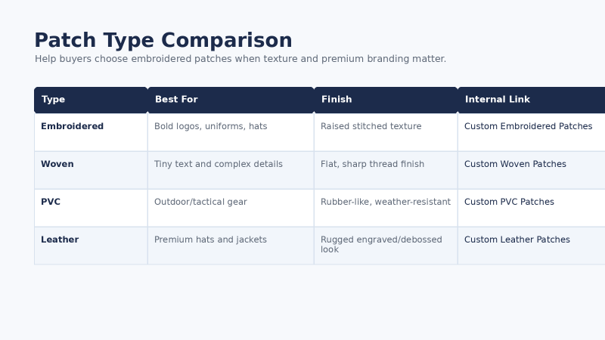
Choose embroidered patches when you want a classic stitched texture, a raised look, and a premium badge-style finish. Embroidery is excellent for bold logos, short text, mascots, name patches, uniform patches, team patches, and brand patches that need to feel official and durable.
However, embroidery is not always the best fit for every design. If your logo has very tiny text, thin lines, detailed illustrations, gradients, or photo-like artwork, a different patch type may perform better. Woven patches use thinner threads and can keep complex details clearer, so link readers to custom woven patches when explaining small text or intricate artwork.
PVC patches are better when the buyer needs a flexible rubber-style patch for outdoor, tactical, or weather-exposed use. If the blog mentions waterproof or rugged patches, internally link to custom PVC patches. Leather patches are a better fit for premium hats, denim, workwear, and rustic branding, so link to custom leather patches in the material comparison section.
This comparison helps Google and AI systems understand that the page is not blindly selling one product. It helps buyers choose the right product, which is exactly what a lead-focused informational blog should do.
How to Choose the Right Size for an Embroidered Patch
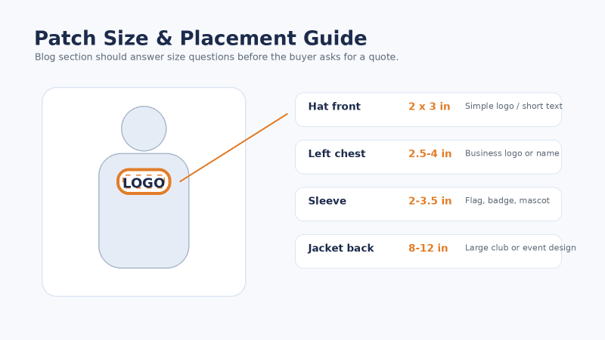
Patch size affects readability, price, appearance, and where the patch can be placed. A small patch may look perfect on a hat but fail if the artwork contains long text. A large patch may look great on the back of a jacket but feel too heavy for a light shirt. The safest advice is to match the patch size to both the design detail and the item where it will be attached.
For hats, a common direction is a compact design with short text or a simple logo. For left-chest business uniforms, medium patches usually work well because they stay visible without overpowering the shirt. For sleeves, circular, shield, and flag-style shapes are common. For jacket backs, motorcycle vests, and statement apparel, large patches can be used because there is more space to show detail.
A simple rule for buyers is this: the more detail your patch has, the more space it needs. If your patch includes small letters, dates, slogans, or mascot details, do not make it too small. A professional patch maker can help adjust the artwork so it remains readable in thread. For a deeper sizing reference, link to the existing custom patch size guide on the blog.
Backing Options: Sew-On, Iron-On, Hook and Loop, or Adhesive
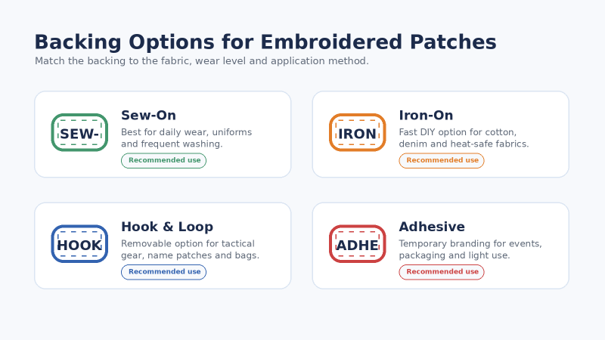
Backing decides how the patch attaches to the item. Choosing the right backing is just as important as choosing the design because a beautiful patch will still disappoint if it peels, curls, or falls off.
Sew-on backing is the most durable choice for frequent wear, washing, uniforms, jackets, sports apparel, and motorcycle vests. It creates a permanent hold because the patch is physically stitched into the garment. If the buyer wants maximum strength, especially for workwear, sew-on is the safest recommendation.
Iron-on backing is convenient for cotton, denim, and heat-safe fabrics. It works well for casual apparel, DIY projects, bags, and some uniforms, but buyers should be warned that heat-sensitive materials like nylon or some synthetics can melt or warp. For long-term wear, many buyers still reinforce iron-on patches with stitching around the edge.
Hook and loop backing, often called Velcro backing, is best for removable patches. It is popular for tactical gear, bags, name patches, morale patches, uniforms, and any use where the patch may need to be switched. Adhesive backing is better for short-term use such as events, packaging, display samples, and temporary branding.
Because backing questions are high-intent and conversion-friendly, link readers to your full patch backings guide for deeper support.
Get a Free Quote for Custom Embroidered Patches
Border Options: Merrowed vs Heat-Cut Edges
The border gives an embroidered patch a finished edge. It affects both appearance and durability. A merrowed border is the classic thick stitched border seen on many traditional patches. It works best for simple shapes like circles, rectangles, squares, ovals, and shields.
A heat-cut or laser-cut edge works better for custom shapes because the border can follow the exact outline of a logo, mascot, animal, vehicle, badge, or symbol. If a brand wants a unique shape rather than a standard round or rectangular patch, heat-cut edging is usually the better option.
For lead generation, show this section with visual examples on the live page. Many buyers do not know the terms merrowed and heat-cut, but they immediately understand the difference when they see both options side by side.
Design Tips That Make Embroidered Patches Look Better
Embroidery has its own design rules. A logo that looks perfect on a website may need adjustments before it becomes a clean patch. The most important rule is readability. Small text, thin strokes, tight spacing, and complex gradients can become unclear when converted into thread.
Use bold fonts whenever possible. Avoid very thin scripts, tiny disclaimers, and long text lines on small patches. If your patch needs a slogan, keep it short. If your logo includes multiple colors, make sure the thread colors have enough contrast against the base fabric.
A strong embroidered patch usually has a clear focal point. That focal point could be a logo, mascot, name, initials, badge, or icon. Too many small details can make the patch look crowded. Clean, simple, high-contrast designs often convert better because buyers can imagine the final patch on a shirt, hat, or jacket.
Before production, artwork is digitized into a stitch file. Digitizing tells the embroidery machine where stitches should go, how dense the stitching should be, what direction threads should run, and how the design should be built. That is why a free digital proof or design review is valuable before ordering in bulk.
Step-by-Step: How the Custom Embroidered Patch Order Process Works
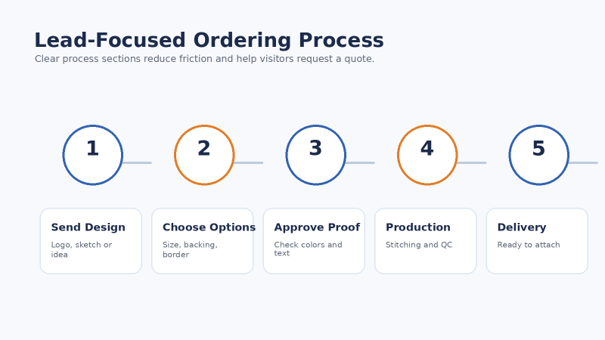
A clear ordering process helps convert informational visitors into leads. The blog should explain the process in simple steps and include quote CTAs after the major decision sections.
First, the buyer sends a logo, sketch, image, or idea. Vector files such as AI, EPS, SVG, or PDF are best, but high-resolution PNG or JPG files can also work. If the buyer only has a rough sketch, the design team can usually help turn it into production-ready artwork.
Second, the buyer chooses size, shape, quantity, backing, and border style. If they are unsure, they should explain where the patch will be used. A patch maker can then recommend a practical option for hats, uniforms, bags, jackets, or event merch.
Third, the artwork is reviewed and digitized. This is where tiny details, colors, borders, and stitch direction are adjusted so the final product looks clean. Fourth, the buyer reviews a digital proof. The proof should be checked carefully for spelling, layout, shape, size, colors, and border style before approval.
Finally, the patches move into production, quality checking, packing, and delivery. The page should end this process section with a CTA: send your design today and get a free quote for custom embroidered patches.
What Affects the Cost of Custom Embroidered Patches?
Custom embroidered patch pricing depends on several factors. Size is one of the biggest factors because larger patches use more thread, material, and machine time. Quantity also matters because bulk orders usually reduce the cost per patch.
Embroidery coverage affects pricing too. A patch with partial embroidery may cost less than a fully embroidered patch because it uses less thread. Design complexity, number of colors, custom shape, backing type, border type, and rush production can also affect the final quote.
Instead of publishing a vague fixed price that may not fit every buyer, the blog should explain the pricing factors and then push the visitor to request a custom quote. This keeps the content helpful while still creating lead opportunities.
Suggested CTA: Want accurate pricing? Send your design, size, quantity, and backing preference to The Eagle Patches for a free custom embroidered patches quote.
Get a Free Quote for Custom Embroidered Patches
Custom Embroidered Patches for Businesses
Businesses use embroidered patches when they want branding that feels more professional than a printed logo. A stitched logo on a shirt, jacket, cap, apron, or work vest can make a small business look more established and organized.
Good business use cases include restaurants, coffee shops, cleaning companies, HVAC teams, roofing companies, construction crews, landscaping companies, delivery teams, security firms, gyms, barber shops, auto repair shops, and local service providers. These buyers often need repeat orders as their teams grow, which makes them valuable leads.
The blog should speak directly to these buyers by explaining how logo patches can be used across multiple garments. For example, the same embroidered logo patch can work on staff shirts, hats, jackets, bags, and promotional giveaways. This helps the buyer see a bigger order opportunity rather than only a small one-time purchase.
Custom Embroidered Patches for Teams, Schools, and Clubs
Teams, schools, and clubs use embroidered patches to create identity and pride. A patch can show a mascot, team name, school crest, graduation year, championship title, house name, department, or club logo.
Sports teams can use patches on jackets, jerseys, caps, equipment bags, and award apparel. Schools can use patches on uniforms, blazers, backpacks, letterman jackets, club apparel, and event merchandise. Hobby clubs can use patches for member jackets, backpacks, caps, and collectible drops.
This section should include internal links to related pages when relevant. If the topic moves toward varsity style, chenille textures, or school letters, use a natural link to custom chenille patches. If it talks about name tags, club member names, or rank labels, link to custom name patches.
Custom Embroidered Patches for Events and Merchandise
Events are an underrated patch lead source. Conferences, festivals, charity walks, tournaments, church events, school events, brand launches, and company retreats can use embroidered patches as staff identifiers, sponsor gifts, merch-table products, or attendee keepsakes.
A patch has more long-term value than a flyer or simple paper badge because people can keep it, wear it, or collect it. Event patches can also create social proof when attendees post photos of them on hats, bags, jackets, or lanyards.
For merchandise sellers, embroidered patches are useful because they are small, lightweight, easy to ship, and suitable for limited-edition drops. They can be sold individually or attached to hats, hoodies, jackets, bags, and packaging.
How to Prepare Your Artwork Before Requesting a Quote
To get a faster and more accurate quote, buyers should send the best version of their artwork. Vector files are ideal because they keep edges clean and make it easier to adjust size without losing quality. Common file types include AI, EPS, SVG, and PDF. High-resolution PNG or JPG files can also work if they are clear.
The buyer should also include the desired patch size, quantity, backing preference, border style, thread colors, deadline, and where the patch will be used. If they do not know the exact size or backing, they should describe the item: cap, jacket, uniform, bag, vest, shirt, or event giveaway.
A strong quote form on the page should ask for these fields. That improves lead quality and reduces back-and-forth. The blog should include at least three CTA buttons: one near the top, one after the backing section, and one near the end.
Common Mistakes to Avoid When Ordering Embroidered Patches
The first mistake is ordering a patch that is too small for the design. Small patches are great for simple logos, but they are not ideal for long text or detailed artwork. The second mistake is using thin fonts that do not stitch clearly. Bold fonts and strong contrast usually work better.
The third mistake is choosing the wrong backing. Iron-on may be convenient, but it is not right for every fabric. Sew-on is stronger for frequent washing. Hook and loop is better for removable patches. Adhesive is usually temporary.
The fourth mistake is skipping the proof review. Buyers should check spelling, colors, shape, border, backing, and size before approval. A small typo in a name, date, or team title can ruin an entire order if it is not caught before production.
The fifth mistake is not thinking about reorders. Businesses, schools, teams, and brands should keep final artwork, proof files, approved colors, and sizing notes organized so future orders are faster and more consistent.
Why Order Custom Embroidered Patches from The Eagle Patches?
The Eagle Patches creates custom patches for businesses, teams, schools, clubs, brands, events, and organizations across the USA. The site already offers multiple patch categories, including embroidered, PVC, woven, leather, chenille, name, uniform, and motorcycle patches, which gives buyers a clear path if embroidery is not the best fit for their design.
For embroidered patches, The Eagle Patches can help with artwork review, stitch-ready design preparation, backing selection, border choice, production, and delivery. Buyers can request patches for uniforms, hats, jackets, bags, tactical gear, staff apparel, school apparel, team gear, events, and promotional merchandise.
If you want stitched patches that look professional and match your exact use case, send your design today and request a free quote for custom embroidered patches. The team can help you choose the right size, backing, border, and patch type before production.
Frequently Asked Questions
What are custom embroidered patches?
Custom embroidered patches are fabric patches made with thread stitched into a base material to create a logo, name, badge, symbol, mascot, or custom design.
Are embroidered patches good for uniforms?
Yes. Embroidered patches are excellent for uniforms because they look professional, feel durable, and can be sewn or attached securely to workwear, shirts, jackets, and vests.
What is the best backing for embroidered patches?
Sew-on backing is best for permanent use and frequent washing. Iron-on backing is convenient for heat-safe fabrics. Hook and loop backing is best for removable patches, and adhesive backing is better for temporary use.
Can embroidered patches be used on hats?
Yes. Embroidered patches work well on hats, caps, snapbacks, trucker hats, and beanies when the design is simple, bold, and sized correctly.
What is the difference between embroidered and woven patches?
Embroidered patches have a raised stitched texture and work best for bold logos. Woven patches are flatter and better for very small text or highly detailed artwork.
How do I get a quote for custom embroidered patches?
Send your artwork or design idea, size, quantity, backing preference, and deadline. A patch maker can review the details and provide a custom quote.
Final Call to Action
Custom embroidered patches are a smart choice when you want branding that looks professional, feels durable, and can be used across uniforms, hats, jackets, bags, teams, schools, events, clubs, and merchandise. The key is choosing the right size, backing, border, and design style before production.
Ready to create your own patch? Send your design to The Eagle Patches and get a free quote for custom embroidered patches made for your exact use case.