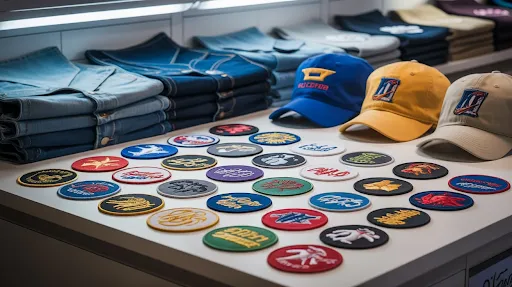
Most brands love the idea of a patch collection. Then they see the quote. Because here’s what happens: you move from one hero design to six designs, three sizes, two backings, and suddenly your tidy launch turns into a spreadsheet that looks like it needs a therapist.
The good news is you can run multi-design collections without lighting your budget on fire. You just need to treat patch ordering like a collection plan, not a last-minute production task.
This guide breaks down how USA brands handle multi-design runs, keep per-unit costs sane, and still deliver patches people actually want to wear on jackets, hats, hoodies, and bags.
What Actually Makes Multi-Design Patch Ordering Expensive
Too many versions at once
Every extra version adds setup time, proofing, and production handling. If you launch 12 designs in one go, you are not running a collection, you are running a small factory.
A smarter move is building a collection with:
- A small core set that stays in stock
- A rotating set for drops and events
- One premium hero piece
Small quantities spread across too many designs
A classic mistake is ordering 25 of everything. It feels “safe”, but it often pushes you into the worst unit economics.
If you need small runs, keep it limited and intentional. Use cheap custom patches with no minimum or custom patches no minimum for testing only, then scale the winners.
Changing variables that do not need changing
The quickest way to blow up costs is mixing:
- Different sizes
- Different borders
- Different backings
- Different patch types
Collections do not need that much variety. Your customers want a consistent vibe, not a patch buffet.
Build a Collection Plan That Controls Cost From Day One
Use a simple three-tier structure
This is the easiest framework for brands, clubs, and teams:
Tier 1: The core identity patches
These are always available. Your logo, your name, your icon.
Examples:
- corporate logo patches USA made
- A clean club member’s patch
- custom patches for small businesses that want repeat orders
Tier 2: The drop set
Seasonal, limited, collaboration, event-based.
Examples:
- custom patches for festivals
- custom patches for events
- Holiday runs like custom patches for Christmas
Tier 3: The premium flex
Higher-detail, higher-margin, lower volume.
Examples:
- Custom Chenille Patches
- Custom Leather Patches
- Custom Bullion Patches
This structure keeps your collection interesting without forcing every design to carry the same production complexity.
Design around production rules, not Pinterest
If you want multi-design runs to stay affordable, make the collection share the same “build rules”:
- Same size range, ideally one primary size
- Same border style for most designs
- Same backing across the range
- Similar thread palette, where possible
This is where working with a solid custom patch maker helps because they will tell you what changes add cost and what changes are basically free.
Choose Patch Styles That Scale Well Across Multiple Designs
Embroidered patches for the main range
For most collections, Custom Embroidered Patches are the workhorse. They feel premium, photograph well, and suit everything from custom logo patches for jackets to custom hat patches.
If you want the “Made properly” look, high quality embroidered patches made in USA is the safest backbone for a multi-design collection.
Woven patches when detail is the point
If your collection includes tiny typography, line art, or intricate logos, Custom Woven Patches can keep it sharp without forcing you into oversized patches.
Woven is also handy when you want consistency across many designs that share a similar graphic style.
PVC patches for utility collections
If your brand leans outdoor, tactical, or industrial, custom PVC patches give you durability and a clean, modern look.
PVC also tends to be consistent across batches, which matters if you reorder designs later.
Printed and sublimated patches for color-heavy art
If your collection leans on gradients or complex color, Custom Printed Patches or Custom Sublimated Patches can reduce stitch complexity and keep artwork closer to the original.
The key is choosing one primary production method for the collection, then using a premium “flex” style for one hero design.
Keep Backing Options Simple Or Your Costs Will Balloon
Backings are where multi-design patch ordering often goes sideways.
Pick one backing for 80 percent of the collection:
- custom iron on patches for easy customer application and giftability
- sew on patches for clothes for durability, especially on denim, workwear, and heavy fabrics
If you need Velcro, keep it to a separate sub-collection. Mixing backings across every design increases handling and can slow down fulfilment.
A Practical Cost-Control Method For Multi-Design Patch Ordering
Step 1: Start with a shared template
Use a consistent size and shape across the collection. Squares, circles, shields, or rectangles.
Consistency reduces sampling risk and makes the whole range look intentional.
Step 2: Standardize your color palette
You can still design varied patches, but keep the thread palette tight.
A “collection palette” helps you:
- Reduce color matching issues
- Keep designs visually cohesive
- Avoid expensive corrections in production
Step 3: Group designs by complexity
Split the collection into:
- Simple designs for bulk quantities
- Medium designs for regular stock
- One or two complex designs priced higher
This lets you protect margin without sacrificing creativity.
Step 4: Order smarter quantities
Instead of ordering equal quantities for every design, use a simple weighting model:
- 40 percent of quantity on your top 2 designs
- 40 percent spread across the next 3 or 4 designs
- 20 percent for the “experimental” designs
This is how brands avoid being stuck with boxes of the least popular patch.
Step 5: Plan reorders, not panic reorders
If your supplier can support fast turnaround custom patches USA, you do not need to over-order just to feel safe.
A planned reorder cycle beats a warehouse full of dead stock every time.
Multi-Design Collections That Actually Sell In The USA
The merch collection for streetwear and creators
Patches sell when they match how people dress. For USA streetwear, the winners tend to be:
- custom patches for hoodies
- custom for bomber jacket
- custom logo patches for hats
- custom logo patches for bags
The uniforms and workwear collection
Brands with staff uniforms can run multiple designs without drama:
- Logo patch
- Name patch
- Role patch
- Department patch
That is easy scaling and strong repeat ordering. This is also where bulk custom patches for uniforms and custom employee name patches for workwear naturally raise order sizes.
Clubs, sports, scouts, and teams
This audience loves collections because collecting is part of the culture:
- custom team patches for sports uniforms
- custom scout patches bulk
- A clean club member’s patch with year variants
The best trick here is a yearly refresh design so members come back.
Pricing Without Scaring Customers Off
People will ask, how much do custom patches cost? The answer changes, but your pricing structure should not.
Use a clear ladder:
- Entry patch price for impulse buyers
- Bundle pricing that rewards buying 3 or 5
- Premium pricing for chenille, leather, bullion, or oversized pieces
Collections sell better when customers can quickly understand the range.
Quality Control Steps That Prevent Costly Reprints
Approve proofs like a picky customer
Check:
- Letter thickness
- Border width
- Backing type
- Final size on the garment
If you are selling patches for hats, jackets, and hoodies, test scale. A logo that looks great at 90mm may fall apart at 50mm.
Build one physical sample rule
For new collections, do one physical sample run before full production. It costs a bit upfront and saves you from paying twice.
Keep your master files organized
Every collection should have:
- Final artwork
- Approved proof
- Size specs
- Color codes
- Backing notes
That makes reorders quicker and cheaper.
Frequently Asked Questions
How many designs should I include in a first collection?
For most brands, 6 to 10 designs is enough. Start smaller if you are testing demand, then expand based on sales data.
What patch type is best for a multi-design collection?
For most retail and brand collections, custom embroidered patches are the best base. Use woven for fine detail and PVC for rugged outdoor themes.
Can I mix patch types in the same collection?
Yes, but keep it minimal. Use one main type for the range, then one premium type for a hero patch to avoid production complexity.
How do I keep costs low when ordering many designs?
Standardize size, border, backing, and color palette. Order higher quantities of your expected bestsellers and lower quantities of experimental designs.
Is it better to order small batches or bulk?
Small batches are fine for testing. Bulk becomes better when you have proven winners. If your supplier offers fast turnaround custom patches UK, you can reorder quickly without overstocking.
Get the Patch Strength Now!
Multi-design collections do not have to wreck your budget. The brands that win treat patch ordering like a system: standardized sizes, controlled variables, smart quantities, and a clear split between core designs and limited drops.
If you want to run collections without blowing up costs, work with a USA top patch maker like The Eagle Patches USA who can guide you on patch styles, backings, proofing, and reorder planning, so you can launch more designs with less risk and better margins.