Patches are easy. Patch backings are where people accidentally pick the wrong option and then blame the patch. If your patch is peeling, curling, or falling off, it’s usually the backing, not the design.
Understanding Patch Backings
Iron-On Backing
Iron-on patch backing is a heat-activated adhesive that melts and bonds to fabric. It’s great for quick DIY jobs on cotton and cotton blends, especially on shirts, jackets, and bags that are not constantly abused.
Two things to know. First, heat and pressure matter. Second, it’s not ideal on tricky fabrics like nylon, heavily coated materials, or anything that can’t take heat. Some brands also offer heat seal backing, which is similar to iron-on but designed for a stronger bond.
Sew-On Backing
If you want the “set it and forget it” option, sew-on backing is it. It works on almost any fabric and handles frequent washing and daily wear. It’s the safest choice for uniforms, backpacks, denim, and workwear where durability matters more than speed.
If you’re stuck deciding between sewing and ironing, this “Sew on vs Iron on Patches: Which One is the Better Option?” quick breakdown helps you choose based on real use, not guesswork.
Hook And Loop Backing
Hook and loop backing, often called Velcro backing, is for custom patches you want to swap out. Think tactical gear, uniforms with changing roles, morale patches, and anything that needs quick changes without sewing every time.
It works as a two-part system. The patch has the hook side, and your gear needs the loop panel to attach to.
Adhesive Backing
Adhesive backing, also called peel-and-stick, is basically the “sticker” option. It’s fast, simple, and best for short-term use like events, promos, quick placement testing, or kids’ items where you may want to remove it later.
It’s not the best long-term choice for heavy washing, heat, or constant friction. If you need lasting hold, use sew-on or pair the adhesive with stitching.
Plastic Backing And Other Specialty Options
You may also see plastic-type backings mentioned as durable options for certain environments. The takeaway is simple: some backings add structure and toughness, but they can limit flexibility and are not always meant for ironing.
There are also specialty options like magnetic backings for metal surfaces, but those are niche and only work when the surface matches the backing.
How To Choose The Right Backing Fast
Match Backing To How You Use The Item
Here’s a quick cheat sheet that keeps you out of trouble:
- Daily wear and washing: sew-on backing
- Quick DIY on cotton: iron-on backing
- Swap patches often: hook and loop backing
- One-time use or temporary branding: adhesive backing
Let The Patch Type Help You Decide
Your patch style can nudge your backing choice.
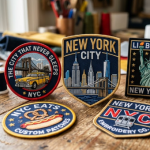
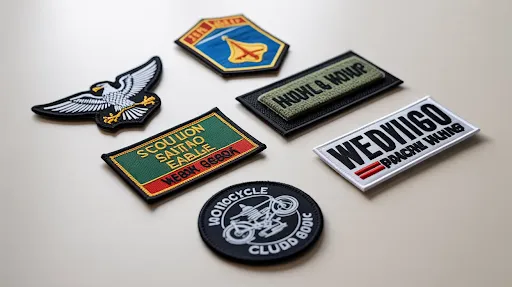
Sew on embroidered patches are a classic for uniforms and jackets. Woven patches are great for small text and clean detail. PVC patches are tougher and often pair well with hook and loop for tactical use. The backing is what decides how that patch behaves in real life.
Quality Still Matters
A great backing applied poorly still fails, and a cheap backing fails faster. If you want clean borders, consistent adhesion, and backings that match the job, where you get your patches made matters.
FAQs
What backing lasts the longest?
Sew-on backing usually lasts the longest because it’s physically stitched into the garment.
Can you iron on patches to any fabric?
No. Iron-on works best on fabrics that can handle heat, like cotton. Some synthetics can melt or warp.
Is velcro backing the same as hook and loop?
Yes. Velcro is a common name people use for hook and loop backing.
Are adhesive patches permanent?
Adhesive backing is typically temporary. For long-term wear, use sew-on or reinforce the edges.
One Smart Move Before You Order
Pick your backing based on where the patch will live, how often it’ll be washed, and whether you want it removable. If you want help choosing the right patch backings for your design and use, The Eagle Patches USA can guide you to the option that actually holds up in the real world.