That jacket you “might wear again” is not waiting for motivation. It’s waiting for a patch. Same for that beat-up backpack and those jeans with the knee that gave up first. DIY patch projects are the easiest way to upgrade old gear without buying new gear. You don’t need a sewing degree. You just need a plan.
DIY Patch Projects Upcycling Jackets Bags And Jeans
Pick The Item First, Then Pick The Patch
Most people do it backwards. They buy cool patches and then stare at their closet like it’s a crime scene.
Start with the item:
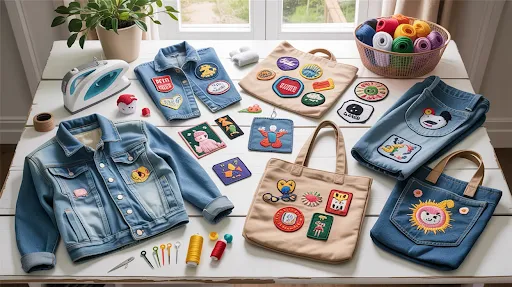
- If it’s a jacket, patches usually look best on sleeves, chest, and upper back
- If it’s a bag, aim for the front panel or the pocket where it sits flat
- If it’s jeans, focus on knees, thigh, or back pocket areas
Once you know the surface, you can choose patch style and backing that actually works.
If you’re unsure what patch type fits your project, this guide makes the choice easier: How to Choose the Right Type of Custom Patches.
The 60 Second Setup That Saves You Later
Before you attach anything, do this quick prep.
Clean the surface. Patches stick and sew better on clean fabric. Then place the patch and take a photo. Seriously. A photo shows crooked placement faster than your eyes do in the mirror.
If you’re working on denim or thick canvas, flatten the area and keep it still. If it’s a puffy jacket, avoid seams and overly padded zones or your patch will look bumpy.
Jacket Projects That Look Intentional
Jackets are the best canvas because they’re visible and they can handle texture.
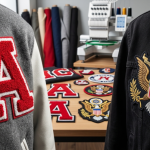
For a clean look, use one statement patch on the back and a smaller patch on the chest or sleeve. Embroidered patches and chenille patches give that classic jacket energy. Woven patches work if your design has small text.
If you want the patch removable, hook and loop backing is a solid choice on certain jackets, especially utility styles. For long-term wear, sew-on is still the strongest option.
Bag Projects That Survive Daily Use
Bags take a beating. That means backing matters more than style.
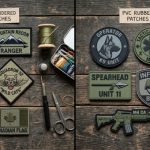
PVC patches are great on backpacks because they handle weather and scuffs. Embroidered patches also work well, especially with a stitched border. If you’re using iron-on, consider it temporary unless you reinforce with a few stitches around the edge.
Placement tip. Avoid the bottom of the bag where it rubs on the floor. Go for a spot that stays flat and gets seen.
Jeans Projects That Fix And Flex
Jeans are perfect for patches because they already have a rugged vibe. The goal here is either repair or style.
If you’re covering a hole, use a larger patch that extends beyond the damaged area. Sew-on patches are the safest because denim moves and stretches. Iron-on can work, but it may lift after repeated washes.
A fun move is mixing textures. A leather patch on denim looks premium. A sequin patch on denim looks bold. Just keep it balanced so it looks styled, not chaotic.
How To Attach Patches Without Overthinking It
Here’s the simple rule.
Sew-on is best for anything you wash often, like jeans and everyday jackets. Iron-on is great for quick upgrades on cotton fabrics when you follow heat and pressure properly. Hook and loop is best when you want to swap patches or move them between items.
If you want your patch projects to last, don’t rush the attachment step. Most patch fails happen because the edges were not secured well.
FAQs
Can you use iron on patches on denim?
Yes, but denim is thick and gets washed often. Iron-on can work, but stitching the edges helps it last longer.
What patches work best for backpacks?
PVC patches and embroidered patches are strong picks for bags because they handle friction and weather better.
How do you place patches so they look right?
Test placement with photos and keep spacing consistent. Avoid seams and areas that fold a lot.
Do you need to sew around iron on patches?
You don’t have to, but a few stitches around the edge makes iron-on patches last longer, especially on jeans and bags.
Make Old Gear Feel New Again
DIY patch projects are quick wins. You can fix a tear, cover a stain, or turn a basic jacket into something that looks like you meant it. If you want patches that match your style and hold up on jackets, bags, and jeans, The Eagle Patches USA can help you choose the right patch type and backing so your upcycling actually lasts.